 +44 7893 947543
 Mon - Fri 09:00 - 17:00 +44 7893 947543 Mon - Fri 09:00 - 17:00
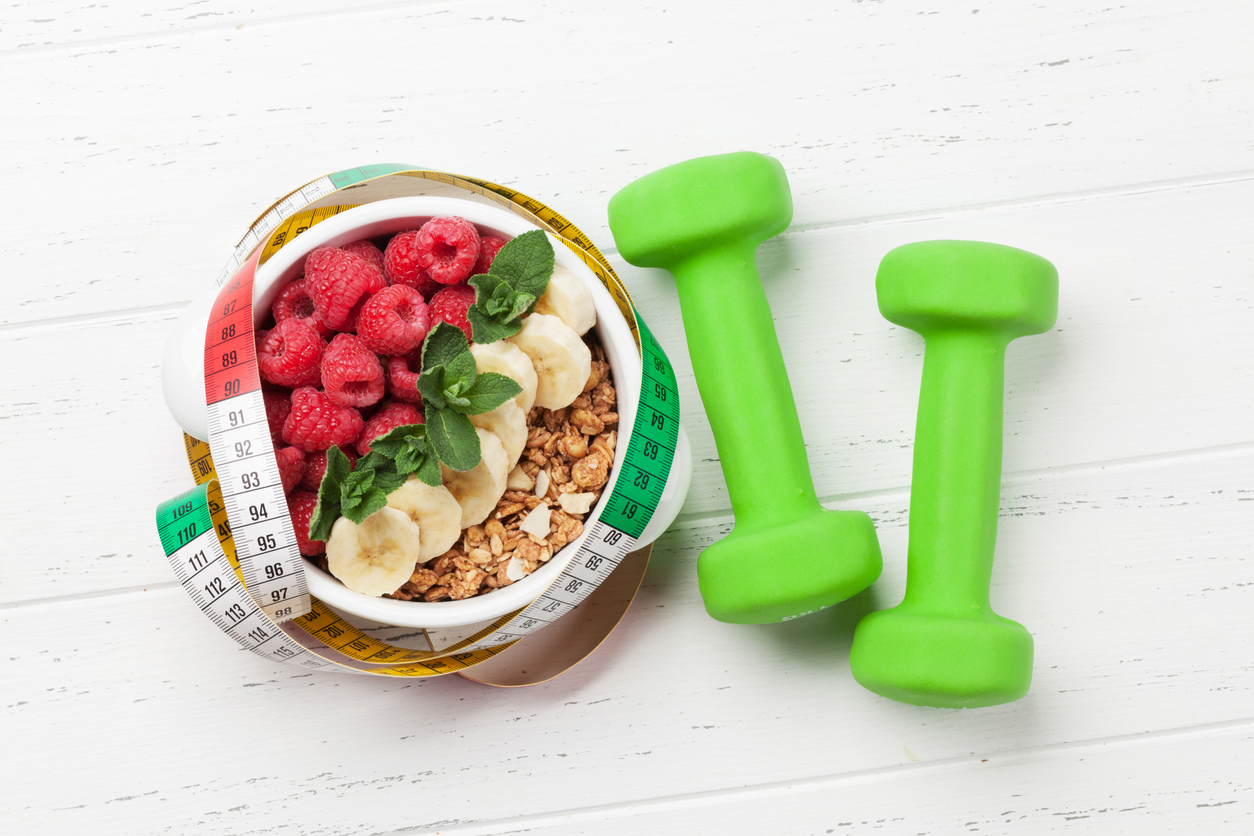
Science has identified several effective strategies for losing weight sustainably. Here are some you can implement today:
To lose weight, you need to consume fewer calories than your body burns. This principle is fundamental. Tools like MyFitnessPal or Cronometer can help you track your calorie intake. A daily deficit of 500–750 calories can lead to a healthy weight loss of 0.5–1kg per week (source: https://pmc.ncbi.nlm.nih.gov/articles/PMC8017325/ ).
At Dr Online UK, we help patients calculate their specific calorie needs and develop realistic, personalised dietary plans.
High-protein diets have been shown to boost metabolism, reduce appetite, and preserve muscle mass during weight loss. Incorporate lean protein sources such as chicken, fish, eggs, tofu, or legumes into your meals (source: https://pmc.ncbi.nlm.nih.gov/articles/PMC7539343/ ).
Low-glycaemic index (GI) foods like whole grains, nuts, seeds, and non-starchy vegetables help stabilise blood sugar levels, keeping hunger in check and supporting long-term weight management (source: https://pubmed.ncbi.nlm.nih.gov/34352885/#:~:text=Based%20on%20results%20from%20observational,index%3B%20obesity%3B%20weight%20loss. ).
Sugary beverages and processed snacks add unnecessary calories and spike insulin levels. Swap these for water, herbal teas, or black coffee to reduce overall calorie intake.
Starting a weight loss journey is easier than you might think. Follow these science-backed steps to get going:
Exercise is key to creating a calorie deficit and improving your overall health. High-Intensity Interval Training (HIIT), which alternates short bursts of intense activity with rest, is particularly effective for burning fat (source: https://www.nice.org.uk/guidance/ng183).
If HIIT isn’t for you, try strength training 2–3 times per week. Building muscle increases your resting metabolic rate, helping you burn more calories even while at rest.
Eating slowly, chewing thoroughly, and paying attention to your hunger cues can prevent overeating. This approach also reduces emotional eating and promotes a healthier relationship with food. One study demonstrated that mindfulness training accompanied by dietary modification resulted in significant weight loss in obese patients. In addition, the findings of the two-month follow-up indicated lasting results were maintained (source: https://pmc.ncbi.nlm.nih.gov/articles/PMC5319254/#:~:text=The%20research%20findings%20indicated%20that,follow%2Dup%20indicated%20lasting%20results. ).
Prioritise 7–9 hours of quality sleep per night and practice stress management techniques like yoga or meditation. Poor sleep and chronic stress disrupt hunger hormones, increasing cravings and fat storage (source: https://pmc.ncbi.nlm.nih.gov/articles/PMC9031614/ .
Prepare meals with a balance of protein, healthy fats, and fibre-rich carbohydrates to stay fuller for longer and maintain steady energy levels throughout the day.
At Dr Online UK, we provide resources to help you create meal plans and incorporate effective exercises into your daily routine.
The most effective exercises for fat burning are those that combine cardiovascular activity with muscle building. Here’s why:
HIIT sessions maximise calorie burn in a short period by pushing your body to its limits during bursts of intense exercise. This method also boosts your metabolism for hours after your workout.
Building muscle through resistance exercises such as weightlifting, squats, or push-ups increases your resting metabolic rate. This means you burn more calories throughout the day, even while resting.
If you prefer gentler activities, low-impact cardio exercises like walking, swimming, or cycling can still effectively burn calories and improve your overall health.
Dr Online UK works with patients to tailor exercise plans based on fitness levels and goals. Whether you’re new to fitness or a seasoned gym-goer, we can help.
Losing weight is a personal journey, and professional guidance makes a significant difference. Dr Online UK, accessible through the Patchs Health platform, offers:
Ready to take the next step? Book an appointment with Dr Online UK today. Our expert team is here to guide you towards achieving your weight loss goals with personalised care and support.
Written by Dr Christian Winiger
Medical Director
DrOnline UK
