 +44 7893 947543
 Mon - Fri 09:00 - 17:00 +44 7893 947543 Mon - Fri 09:00 - 17:00
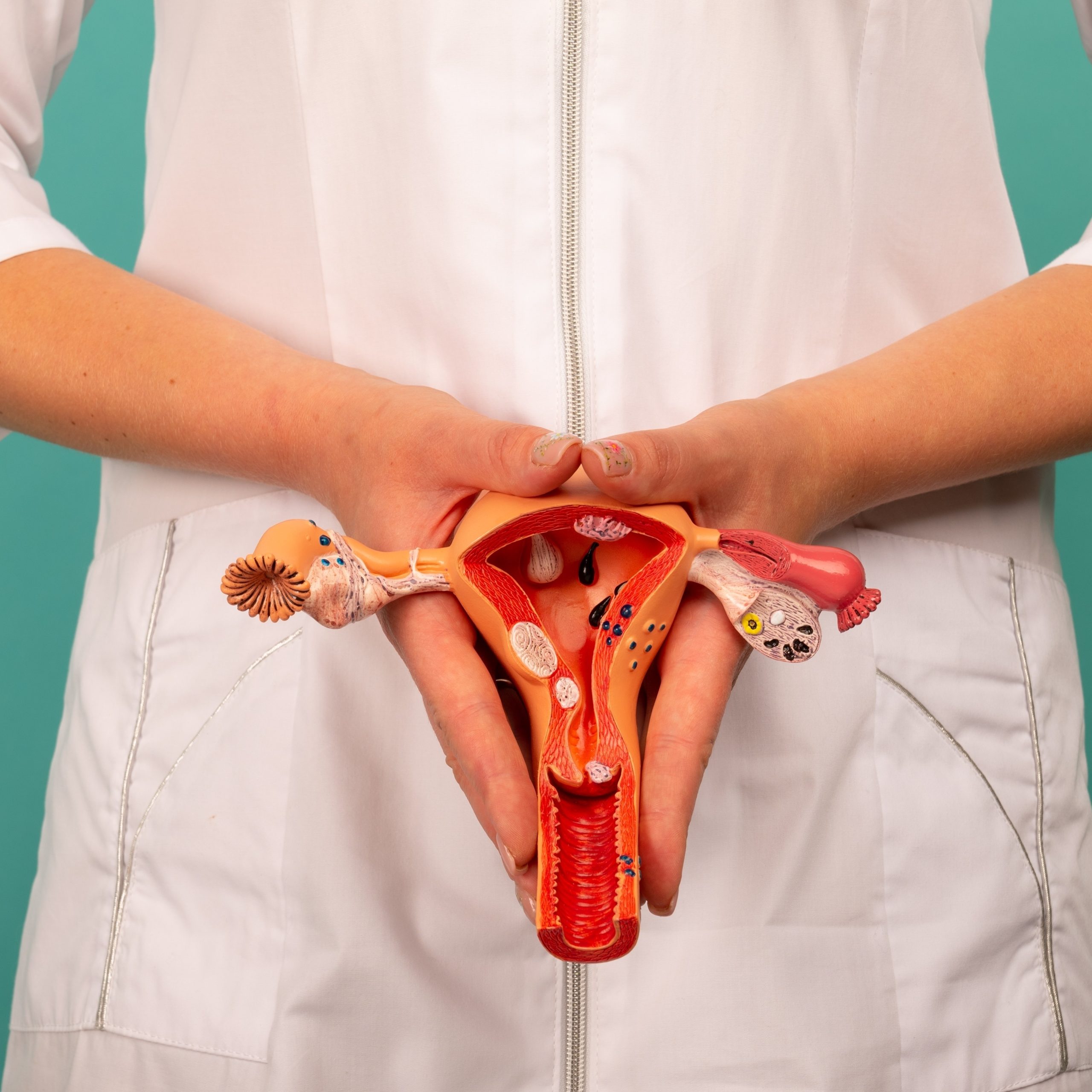
Polycystic Ovary Syndrome (PCOS) is a complex condition affecting millions of women worldwide. It is characterised by hormonal imbalances, irregular periods, and signs of hyperandrogenism, such as acne and excessive hair growth (hirsutism) (source: https://pubmed.ncbi.nlm.nih.gov/38285626/). PCOS is also frequently associated with obesity, infertility, and insulin resistance, making weight management particularly challenging.
This article explores the connection between PCOS and weight gain and offers evidence-based strategies for overcoming these challenges.
Even modest weight loss (5–10% of initial body weight) can yield significant health benefits for women suffering with PCOS. Research highlights improvements in insulin sensitivity, restored menstrual regularity, increased ovulation, enhanced fertility, and better quality of life (source: https://pmc.ncbi.nlm.nih.gov/articles/PMC6734597/).Weight loss also plays a crucial role in reducing the risk of long-term complications associated with PCOS, such as type 2 diabetes and cardiovascular disease (source: https://www.dovepress.com/epidemiology-diagnosis-and-management-of-polycystic-ovary-syndrome-peer-reviewed-fulltext-article-CLEP).
Several factors make weight loss more difficult for women with PCOS:
Women with PCOS often experience insulin resistance, which reduces the body’s ability to use insulin effectively. This leads to higher insulin levels, promoting fat storage and weight gain, particularly around the abdomen (source: https://pmc.ncbi.nlm.nih.gov/articles/PMC6734597/).
Elevated androgens (male hormones) and lower progesterone levels in PCOS contribute to increased fat storage and reduced metabolic rates (source: https://pubmed.ncbi.nlm.nih.gov/38285626/).
Hormonal fluctuations associated with PCOS can disrupt appetite regulation, leading to heightened hunger and cravings for carbohydrate-rich and sugary foods (source: https://bmjmedicine.bmj.com/content/2/1/e000548).
PCOS is linked to a lower basal metabolic rate (BMR), meaning women burn fewer calories at rest, which exacerbates weight gain (source: https://pubmed.ncbi.nlm.nih.gov/18678372/).
Higher levels of inflammation in women with PCOS can worsen weight gain and make it harder to lose weight (source: https://pmc.ncbi.nlm.nih.gov/articles/PMC10604137/ ).
At Dr Online, we emphasise lifestyle changes as the foundation for weight loss. These evidence-based interventions are specifically tailored to help women with PCOS manage their symptoms and achieve sustainable results:
Maintaining a calorie deficit is essential for weight loss. Women with PCOS may benefit from the following dietary strategies:
Exercise not only aids weight loss but also addresses many underlying PCOS symptoms. Effective exercise strategies for women with PCOS include:
Women with PCOS are more prone to stress and disrupted sleep, which can hinder weight loss:
Eating balanced meals at consistent times can help regulate blood sugar levels. Skipping meals can lead to energy dips and increased cravings, especially in women with insulin resistance.
For women with PCOS, personalised plans created by a healthcare provider or registered dietitian are invaluable. Tailored advice ensures dietary and exercise strategies address their unique hormonal and metabolic needs..
When first-line lifestyle changes are insufficient, other treatment options can support weight loss. These include:
For women with severe obesity (BMI ≥40 or ≥35 with comorbidities), bariatric surgery may be an option. Procedures like gastric bypass or sleeve gastrectomy can result in significant and sustained weight loss, improving PCOS symptoms (source: https://jamanetwork.com/journals/jama/article-abstract/2770015 ).
At Dr Online, we focus on supporting patients through tailored plans. We offer GLP-1 receptor agonists as part of a wider program that includes lifestyle interventions, enabling women to achieve sustainable weight loss with professional guidance.
Managing weight with PCOS is challenging but achievable. A combination of dietary changes, regular exercise, and medical support can empower women to take control of their health. At Dr Online, we are committed to helping patients develop personalized plans to achieve their goals and improve their quality of life.
Written by Dr Christian Winiger
Medical Director
DrOnline UK
